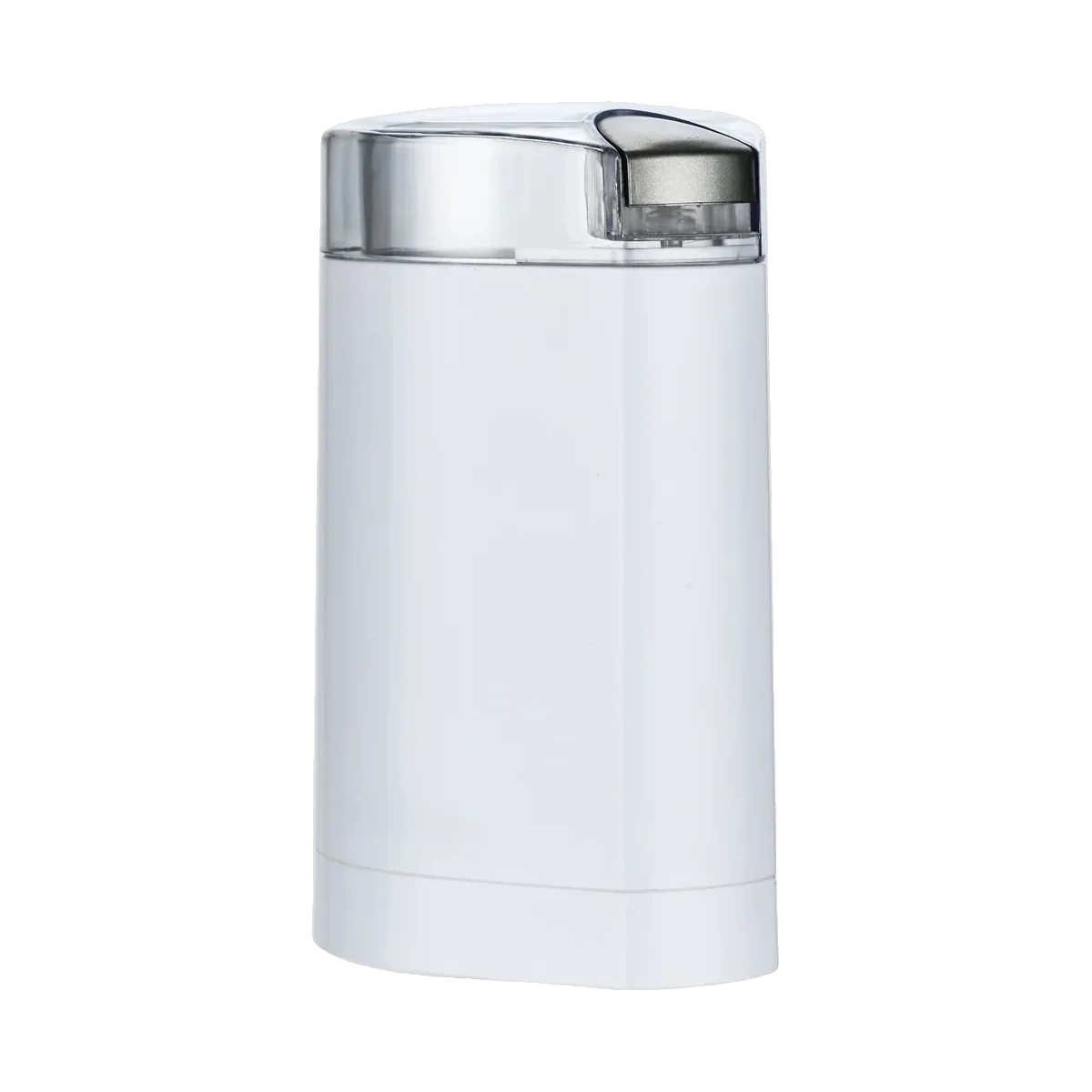
Chamber capacities from 60 g to 100 g
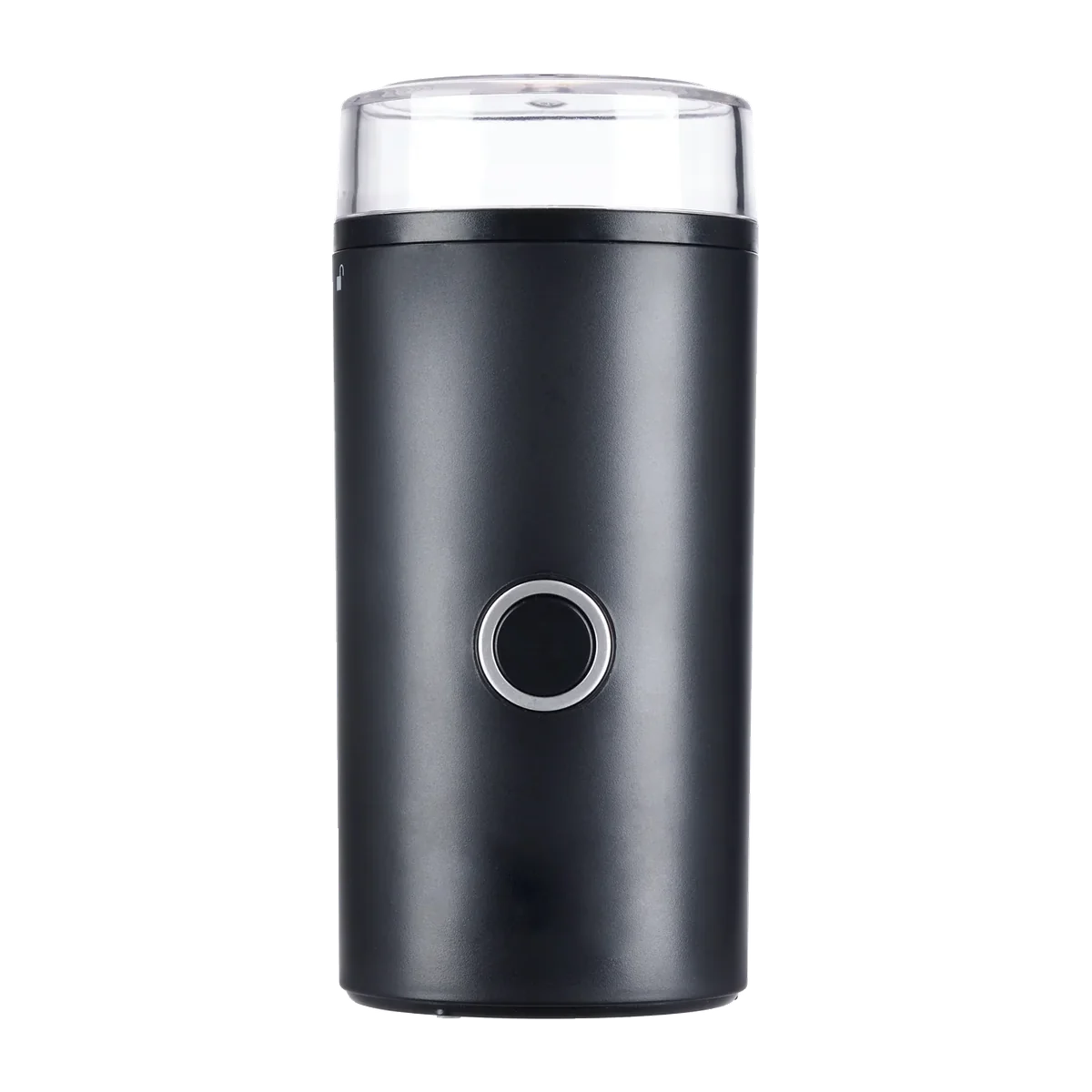
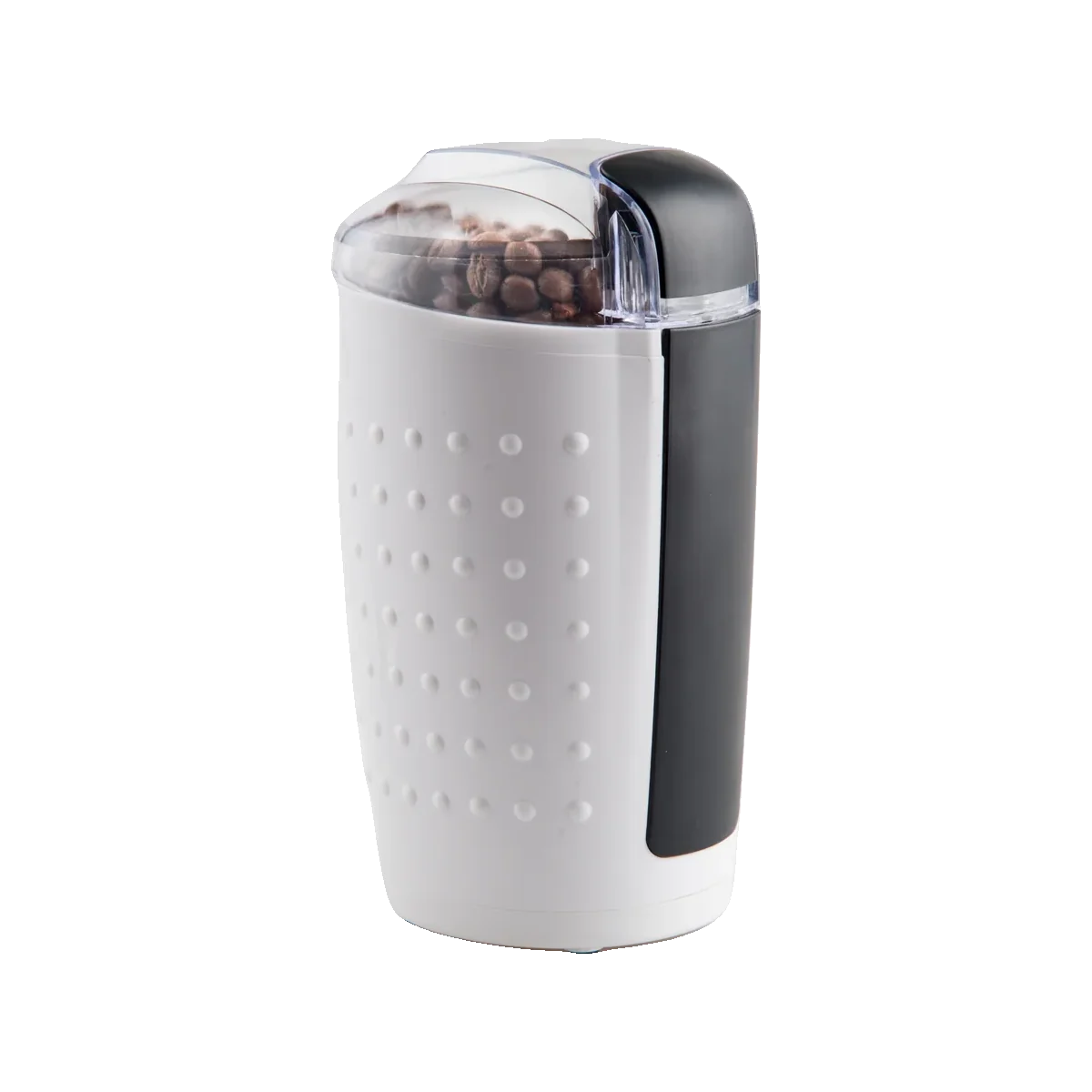
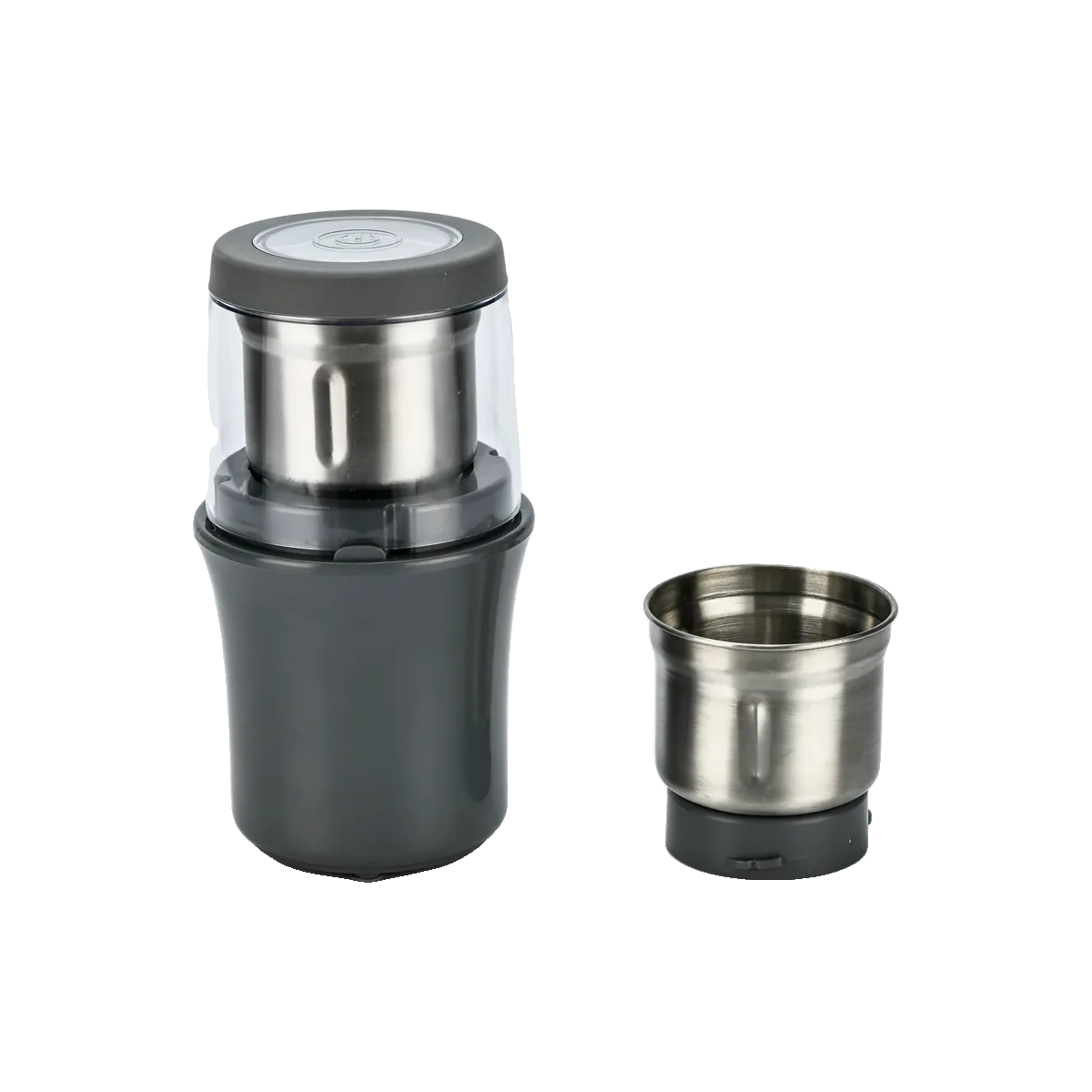
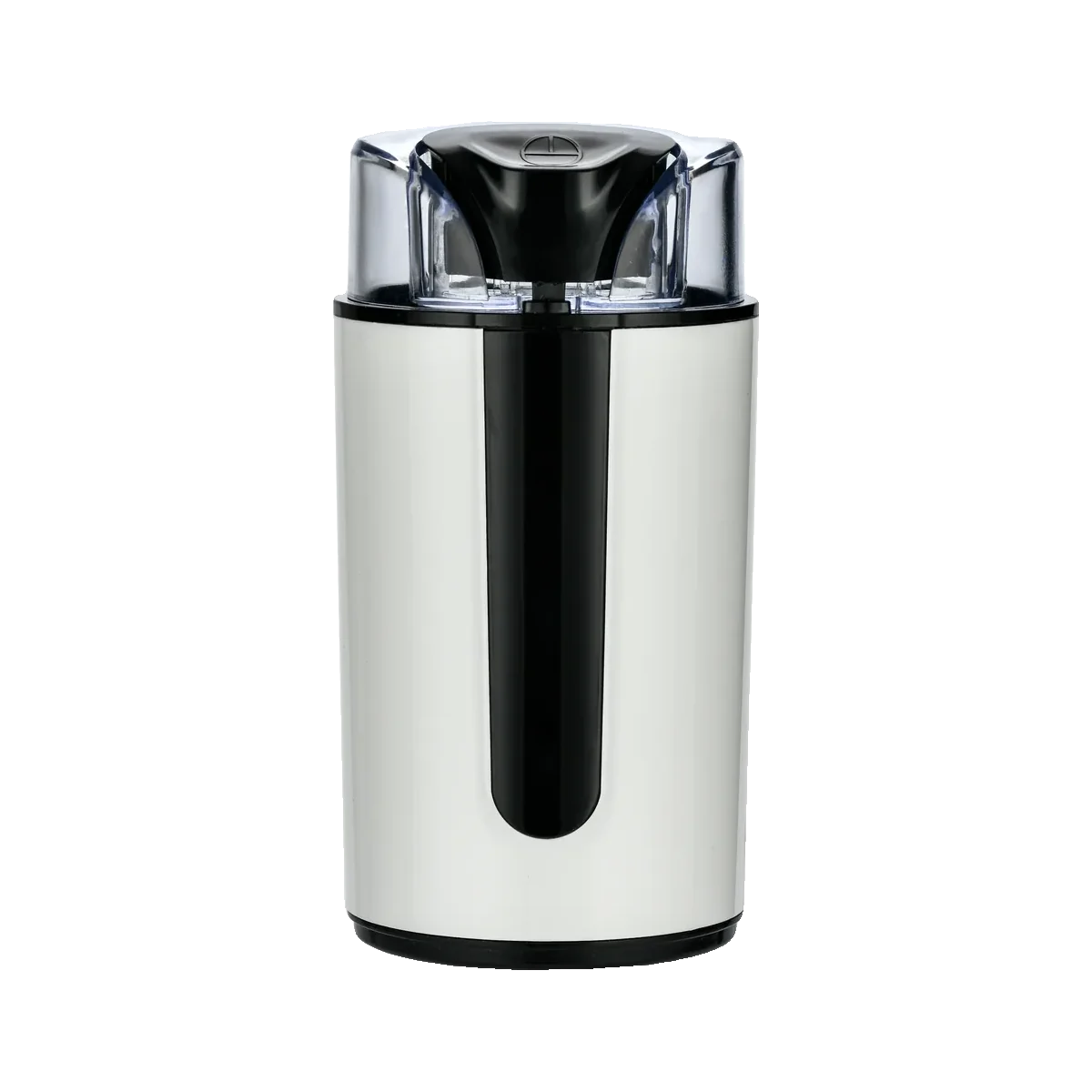
Grinder buyers usually want more than one size: a compact model for daily household use and a larger chamber for full-batch grinding or for nuts, grains and spices. Golden-Yee covers that spread across five platforms. COG1001 runs a 70 g chamber in a slim body, GCG001 uses a 100 g chamber as the widest-capacity platform, GCG006 carries 80 g across two removable stainless-steel cups, and LCG104 and LCG105 both use a 60 g stainless-steel chamber.
- COG1001: 70 g chamber, slim vertical body, one-button front control
- GCG001: 100 g chamber with one-touch start and cord storage
- GCG006: 80 g across two detachable stainless-steel cups
- LCG104 and LCG105: 60 g stainless-steel chamber in metal-look or minimal finishes
Motor ratings and control style across the range
Rated power varies by model so each platform can hold a different position in the range. COG1001 uses a 180 W motor on 220 V / 50 Hz. GCG001 is rated 150–250 W at 220 V and 150 W at 120 V, which makes it a practical two-region platform. GCG006 runs a 250–300 W motor, and both LCG104 and LCG105 use a 200 W motor with one-touch operation and a lid safety lock.
- COG1001: 180 W, one-touch pressure switch with lid safety lock
- GCG001: 150–250 W at 220 V and 150 W at 120 V, one-touch with safety lock
- GCG006: 250–300 W motor with two separate grinding cups
- LCG104 and LCG105: 200 W motor, one-touch operation and safety lock
Chamber, cup and blade configurations
The chamber and blade decide both grind consistency and how easy the product is to live with. Stainless-steel chambers are used across the range: COG1001 and GCG001 pair a stainless-steel chamber with a stainless-steel blade, LCG104 and LCG105 use an SS430 chamber with an SS420 blade, and GCG006 uses detachable stainless-steel cups so two grinding tasks can be kept apart without residue carrying over.
- Stainless-steel chamber and blade on COG1001 and GCG001
- SS430 chamber with SS420 blade on LCG104 and LCG105
- Two detachable stainless-steel cups on GCG006 to separate grinding tasks
- Transparent lids so the grind can be checked without opening the chamber
Customization points for private-label programs
For a private-label grinder the first decisions are usually visual: housing color and surface finish, lid style, button or dial treatment and the decorative details that separate one SKU from another on a crowded aisle. Golden-Yee supports color direction based on the target market, along with button design, inner-cup specification and packaging format. Because the platforms share a general architecture, a brand can build a family where the entry and step-up models look related but occupy clearly different positions.
- Housing color, surface finish and decorative trim per market
- Lid, button and dial styling options across the platforms
- Inner-cup specification and retail or gift packaging formats
- Related platforms that support an entry-to-step-up grinder family
Voltage, plug and compliance planning for export
Voltage and plug configuration should be fixed before production planning rather than after. COG1001, GCG006, LCG104 and LCG105 run on 220 V / 50 Hz, while GCG001 is also available at 120 V / 60 Hz, making it the natural starting point for a two-region program. For each market we confirm voltage, frequency, plug type, cable set and instruction language, and that same specification drives labeling and the documents that accompany shipment.
- 220 V / 50 Hz platforms plus a 120 V / 60 Hz option on GCG001
- Plug type, cable set and instruction language agreed per destination market
- Compliance and labeling aligned with the confirmed electrical specification
Where these grinders fit in a range
Compact grinders work hardest as a companion product: beside coffee makers and kettles in breakfast ranges, beside spice and nut products in kitchenware assortments, and beside blenders and choppers in general small-appliance aisles. For importers and distributors, a grinder line is often the easiest category to add to an existing order because it shares materials, tooling logic and shipping profile with other compact appliances.
- Breakfast and coffee ranges for grocery and mass-retail channels
- Kitchenware assortments where spice, nut and grain grinding is relevant
- General small-appliance aisles alongside blenders and choppers
- Distributor and importer programs built around a multi-category range