Hand mixer platforms matched to different shelf positions
A hand mixer range rarely succeeds with a single model. Buyers usually need an entry product that opens the category, a mid-range model that carries the brand look, and a more complete set that justifies a higher shelf position. The Golden-Yee hand mixer family is organised so those roles can all be filled from one manufacturing base, which keeps tooling, components and packaging decisions consistent across the line.
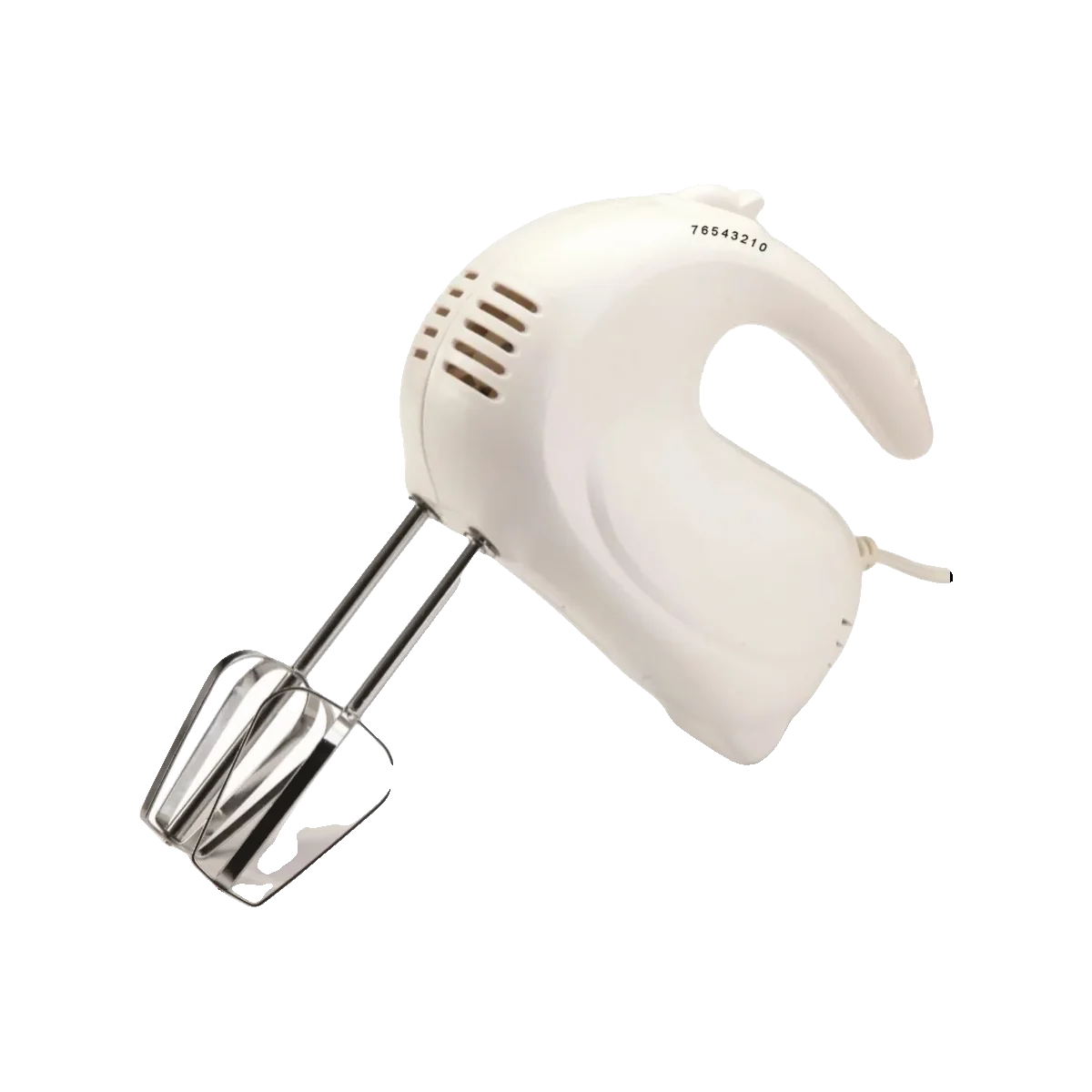
- GHM001, a classic twin-beater format with an open ergonomic handle and top-mounted controls for straightforward everyday mixing
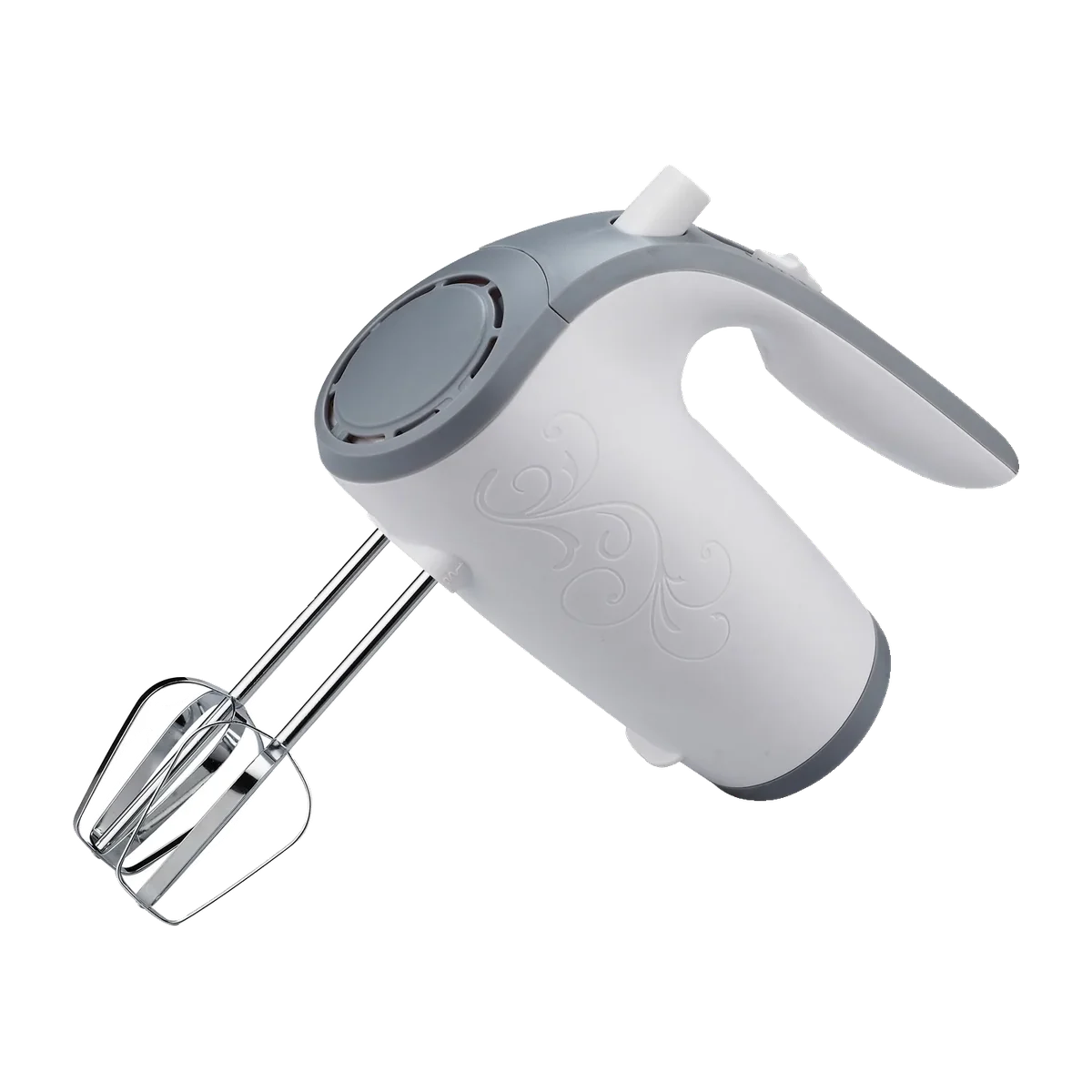
- GHM003, a soft-grip handle with twin beaters and a top speed selector, positioned for comfort-led private-label ranges
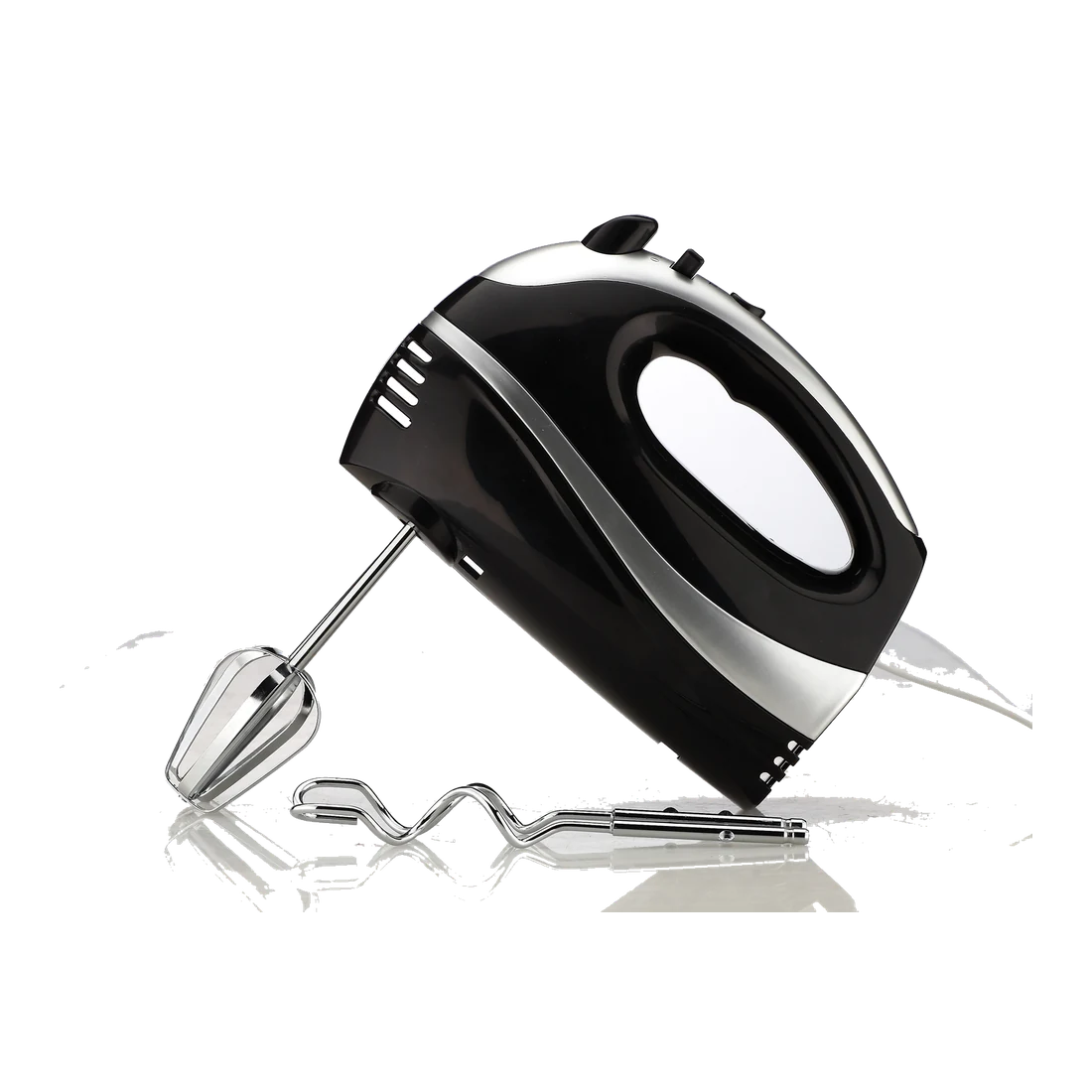
- GHM007, a hand mixer set supplied with both beaters and a dough hook, aimed at baking-led buyers who want one tool for creaming and kneading
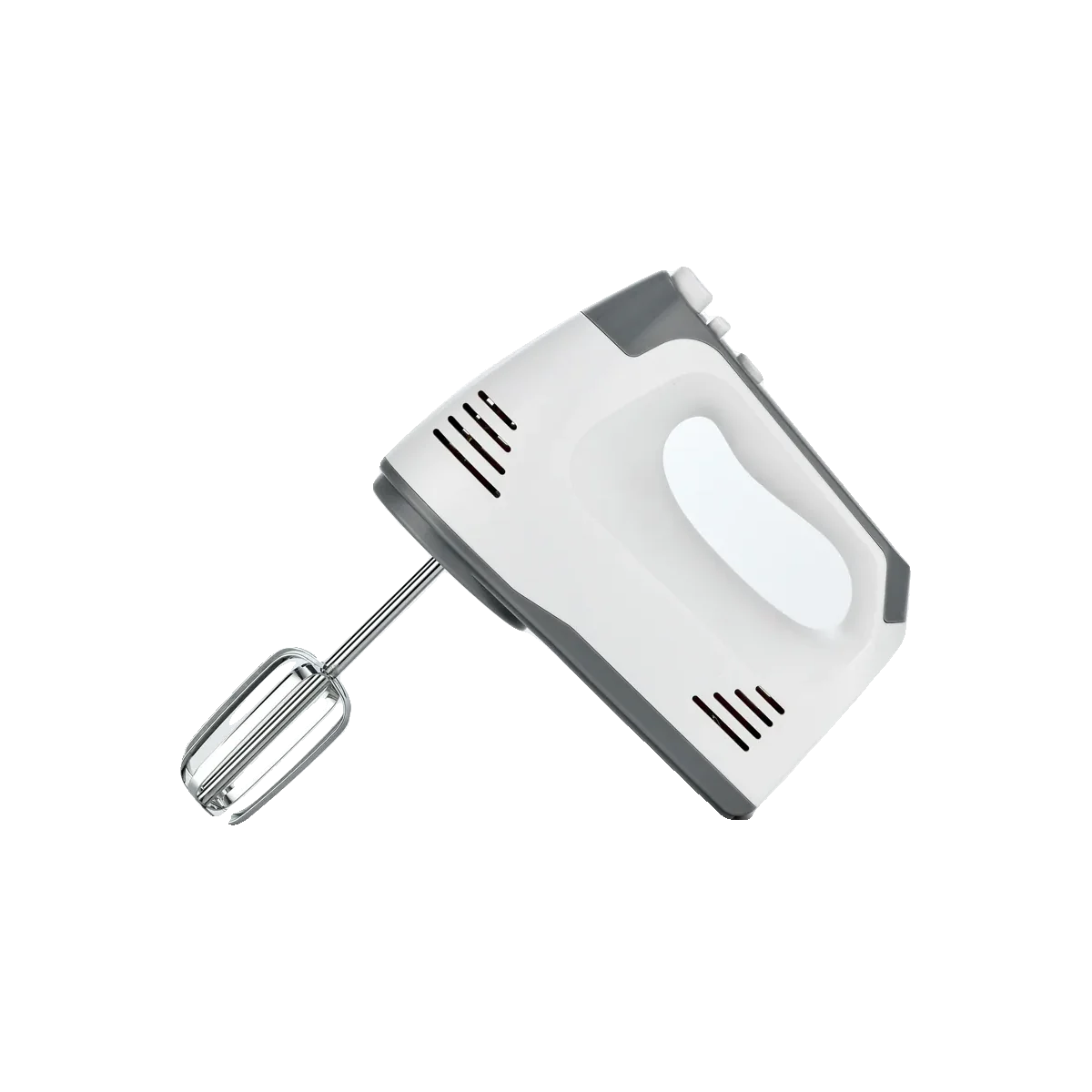
- GHM009, a streamlined housing with a slim upper body and compact handle opening for a lighter, more modern shelf presentation
Motor platform, tools and everyday performance
Power is the first parameter most buyers ask about. The hand mixer platforms here are built around motors in the 150 W to 300 W range, which covers the typical mixing tasks of a home baker: whisking egg whites and cream, creaming butter and sugar, folding together lighter cake and pancake batters, and working softer doughs on hook-equipped models. Speed is handled through a selector on the housing, and the attachment sockets are laid out so tools can be changed quickly during a preparation session.
- 150 W to 300 W motor options, so one platform can serve several positions in a range
- Beater attachments for whisking, whipping and mixing, plus a dough hook on set models for softer dough work
- A storage base option that holds the beaters and hook together after washing, which reduces loose-accessory complaints in retail
- Tool retention designed so attachments stay seated while mixing and release easily for cleaning
- Detachable tools and wipe-clean housings that support a simple after-use routine
Customisation points for private-label hand mixer programs
Once the platform is chosen, the customisation conversation moves through a short list of decisions. Each one changes the bill of materials, the artwork or the packaging, so confirming them early keeps quotation and sampling aligned. The points below are the ones buyers most often settle during the first project review.
- Voltage and plug configuration matched to the destination market, including 110–120 V and 220–240 V regions
- Housing colour, decorative trim, printed graphics and logo placement for private-label identity
- Accessory mix: beaters only, or beaters plus dough hook, with or without a storage base
- Retail packaging such as a colour box, gift box or window carton, plus instruction manual language and any required marking artwork
Certification and compliance path for export markets
Electrical compliance is decided long before production, because it shapes the internal wiring, the markings on the rating label and the documentation that ships with the carton. For hand mixer programs the usual destination requirements are approached as a project-specific path rather than a fixed package, and testing is arranged against the standard framework that applies to the target market.
- European and UK markets: CE marking supported through the applicable low voltage, electromagnetic compatibility and related requirements, with UKCA handled as a separate route
- North America: UL or ETL listed programs supported for the relevant hand mixer configurations and cord sets
- Middle East and Gulf markets: SASO and comparable national schemes addressed per destination
- Material and food-contact considerations such as RoHS, REACH and applicable food-contact expectations reviewed at specification stage
Sourcing, sampling and inspection checkpoints
Hand mixers are a product where small tolerances are felt immediately by the user. A wobbly beater, a stiff speed selector or a housing seam that flexes under load will all surface in customer reviews. Our approach is to fix those points at sample stage, when changes are still inexpensive, and then hold them through production with documented checkpoints.
- Pre-production samples for appearance, feel, function, marking and packaging approval
- Incoming checks on motor, cord set, switch, gear drive and attachment components
- In-line inspection of assembly, speed selection and beater seating during production
- A short run test plus pre-shipment verification of function, appearance, packaging integrity and documentation against the approved sample
Channel fit for hand mixer programs
Hand mixers sell differently depending on where they sit. Supermarket and hypermarket own-brand programs usually want a clean, competitive everyday model in a shelf-ready carton with a strong packshot. E-commerce listings reward a model with visual differentiation, clear tool imagery and packaging that survives parcel handling, while gift and seasonal channels favour a set with a storage base and a more premium finish. A single platform can often be configured toward more than one of these, as long as accessory and packaging decisions are made at the start.
- Supermarket and hypermarket own labels: efficient entry and mid models in shelf-ready retail cartons
- E-commerce and marketplace sellers: differentiated finishes, clear accessory imagery and parcel-safe packaging
- Gift, seasonal and houseware channels: set configurations with a storage base and premium trim