An OEM kitchen appliance range built for export channels
Golden-Yee works as an OEM and ODM manufacturer for overseas importers, brand owners and retail chains that need small kitchen appliances with clear model positioning rather than a single catalogue item. The range is organised into product families covering food preparation, blending, grinding, mixing, ice making and dessert appliances, so a buyer can assemble a coherent line from one manufacturing partner instead of coordinating several vendors. Each platform is already engineered around a defined housing concept, motor class, control layout and accessory package, which shortens the distance between a product brief and a production-ready SKU and keeps tooling investment predictable.
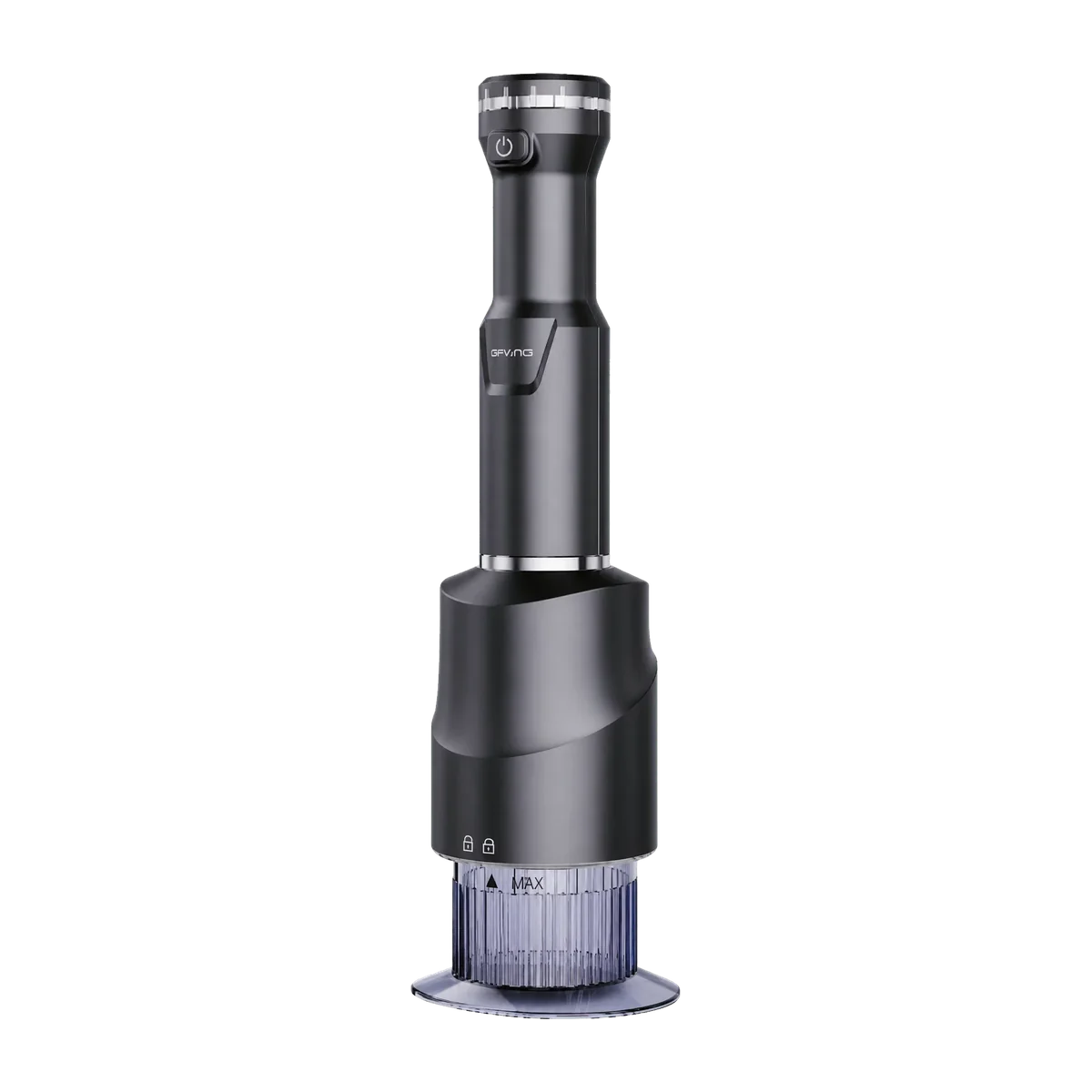
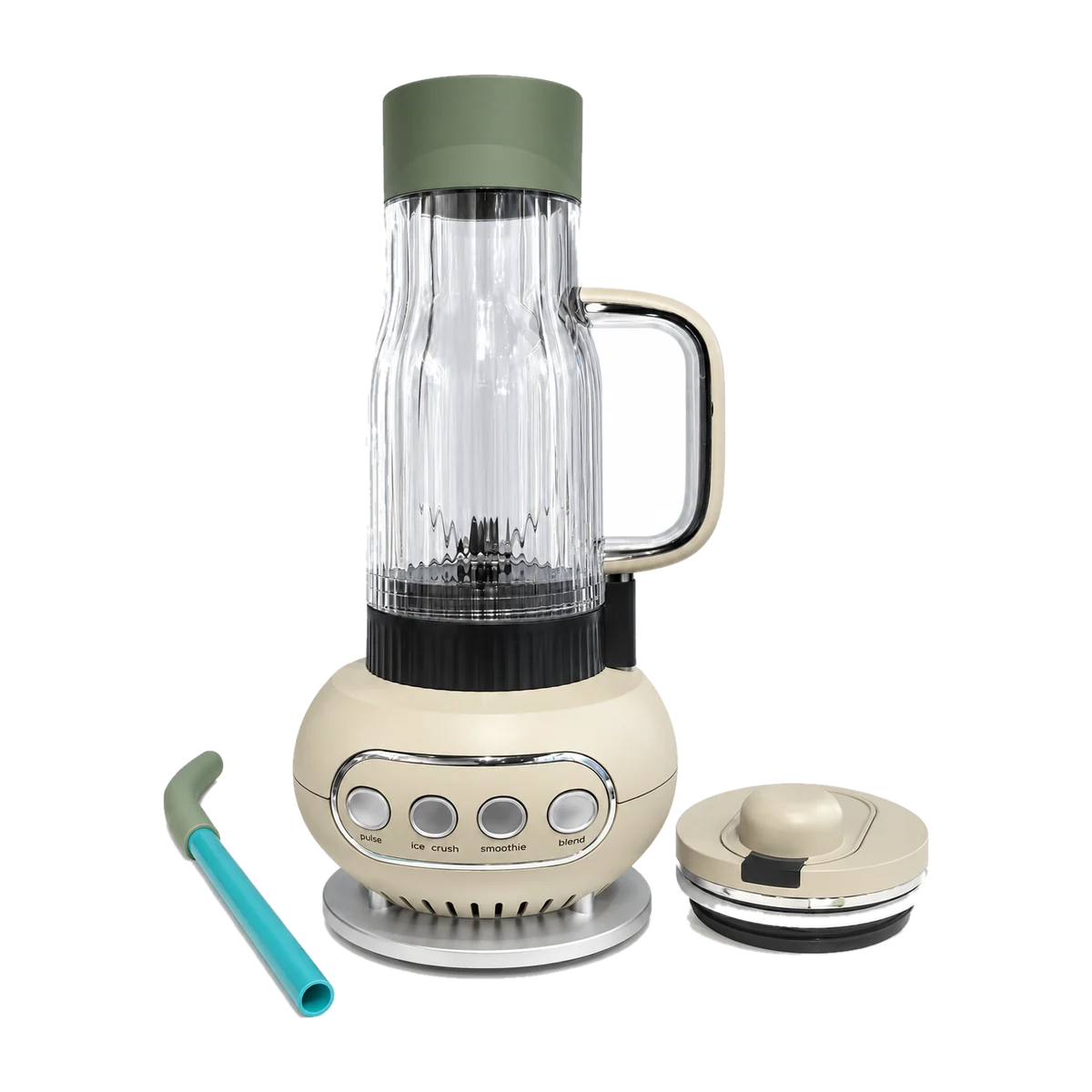
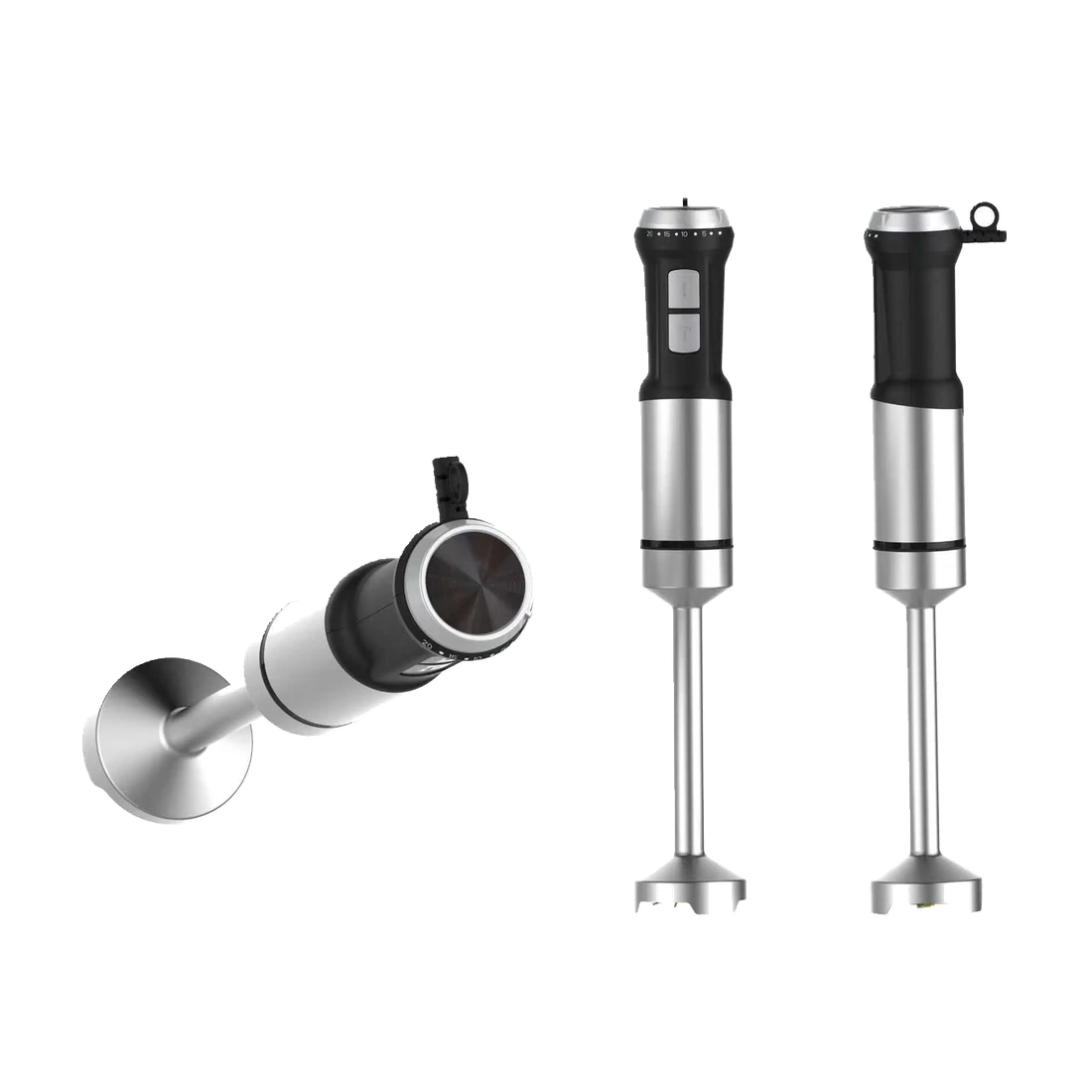
- Countertop blender and hand blender families for drinks, soups, sauces and daily food preparation
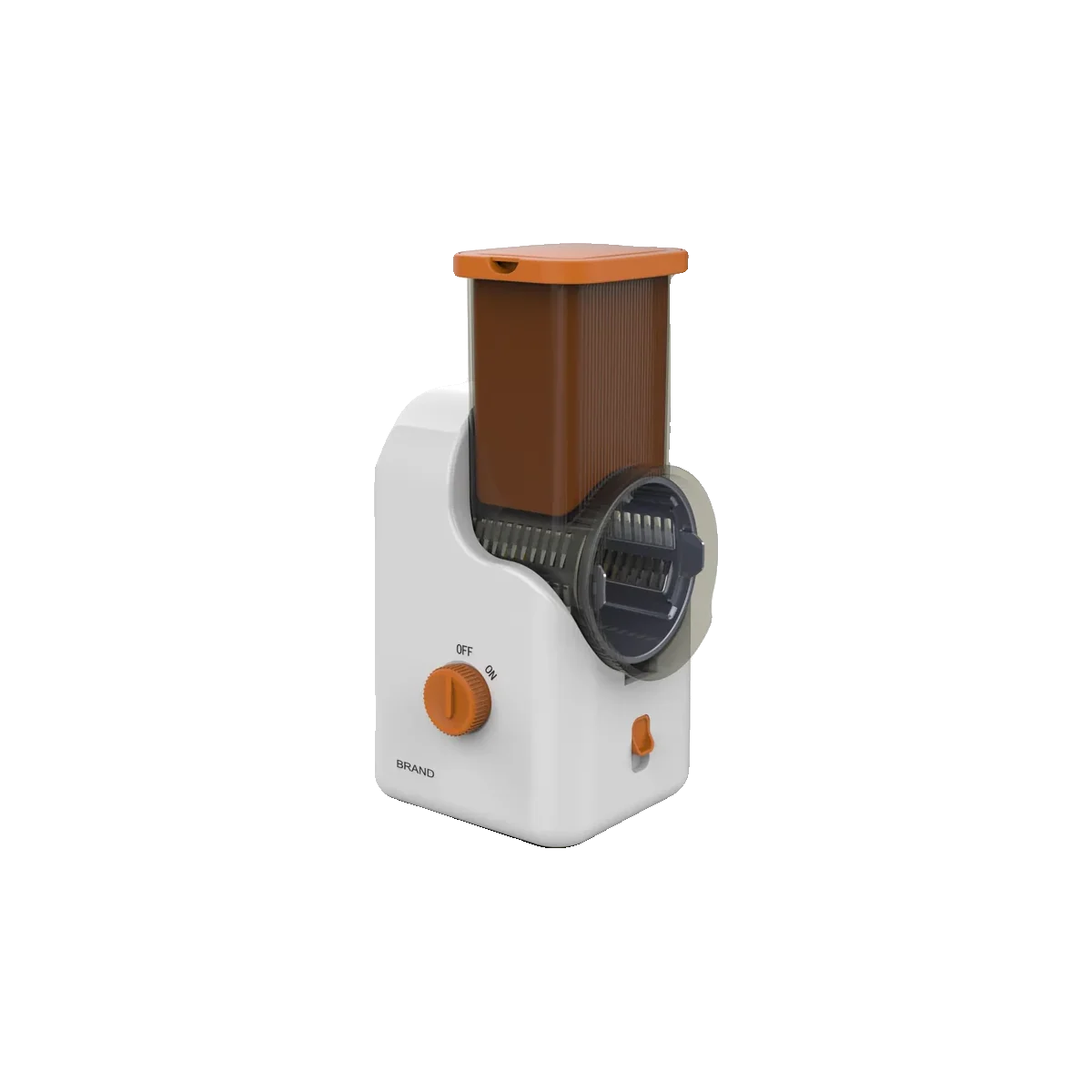
- Food choppers, vegetable slicers and multi-function prep tools for the food preparation aisle
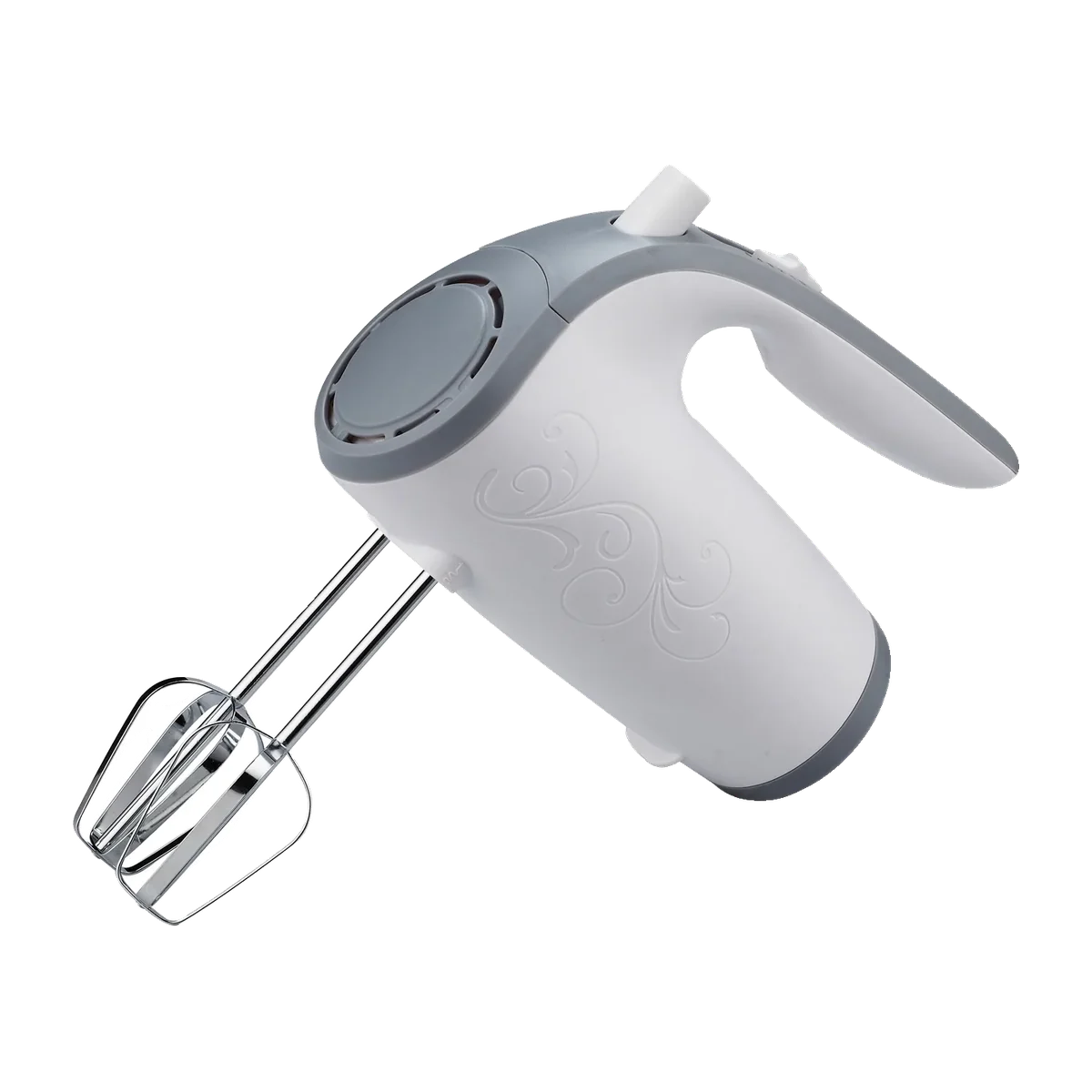
- Coffee grinders, hand mixers and compact can openers as add-on categories to an existing range
- Countertop ice makers and ice cream makers for seasonal, hospitality and dessert-led programmes
Product platforms available for private-label projects
An OEM kitchen appliance programme usually starts from a platform that is already close to the intended product, then moves through a defined list of changes: housing colour and finish, trim and decorative detail, control panel graphics, accessory mix, cord and plug specification, and retail packaging. Because the structure, motor and tooling on these platforms already exist, engineering effort concentrates on the differences that matter commercially, which is what allows a private-label SKU to sit apart from the same class of product on the same shelf. Where a project needs more than a cosmetic change, the platform can be reviewed for structural adaptation before tooling is committed.
- Housing colour, gloss or matte finish, decorative trim and logo treatment
- Control panel graphics, button feel and speed marking options by model
- Accessory mix, cup or bowl sets and storage solutions for retail bundles
- Instruction manual language, rating label artwork and retail packaging direction
What to confirm before a kitchen appliance OEM quotation
A quotation is only useful when the commercial picture is complete, and most delays in appliance sourcing come from details that were left open at the beginning. Buyers get a faster and more accurate answer by stating the destination market and sales channel, the intended price position on shelf, the reference model or benchmark product, the estimated first order quantity, the packaging format, and any brand or regulatory requirement the product must carry. From there the platform, motor class, capacity, materials and accessory package can be matched to the target, and the differences between an entry SKU and a premium SKU become visible early enough to be costed properly.
- Destination market, channel type and target shelf position
- Reference model, benchmark product or competitor sample
- Estimated first order quantity and expected annual volume
- Packaging format, artwork status and any mandatory market marking
Voltage, plugs and market compliance
Kitchen appliances cannot be sold across regions on one electrical specification, so voltage, frequency, plug type, cord length and rating label are planned per destination market. Platforms can be configured for 110 to 120 V markets as well as 220 to 240 V markets, with the plug and cord standard matched to the country of sale. Compliance is handled per project: European buyers usually specify CE and UKCA, North American buyers request UL or ETL listings, and other markets work to their own national schemes. The applicable standard is agreed before tooling so the electrical design, marking, instruction manual and test documentation all target the same requirement.
- Voltage, frequency, plug type and cord specification by destination market
- CE, UKCA, UL or ETL and other national schemes planned per project
- Rating label, marking and warning text aligned with the agreed standard
- Instruction manual language and documentation prepared for the buyer
Quality control from sample approval to shipment
Quality is built into the specification rather than inspected at the end. A project normally begins with samples that the buyer uses to confirm function, appearance, materials and usability, followed by pre-production approval of colour, packaging, labelling and accessory content. During production, critical components and materials are checked against the approved standard, in-process checkpoints catch variation before it compounds, and a final review covers function, appearance, packaging and shipping documentation. For buyers who work with their own inspection protocol, the production plan can be aligned to that protocol so the checkpoints, records and release criteria match what the buying office expects to receive.
- Sample review covering function, appearance, materials and usability
- Pre-production approval of colour, packaging, labels and accessory content
- In-process checkpoints on critical components and assembly steps
- Final verification of function, appearance, cartons and export documents
Working with a China-based kitchen appliance manufacturer
Golden-Yee is based in Yuyao, Ningbo, in one of China's established small-appliance manufacturing regions, and close to Ningbo port for container shipping. Product definition, industrial design, structural engineering, sourcing, production management and export coordination sit with one team, which reduces the handoffs that usually slow a project down and keeps decisions traceable from brief to shipment. Export documentation, carton marking, loading plans and shipping coordination are handled in-house, and day-to-day communication with the buying office is in English so specifications, approvals and changes are recorded in the same language on both sides.
- One team from product definition through production and export release
- Container loading, carton marking and export documentation support
- English-language communication with the buyer's sourcing and product teams
- Proximity to Ningbo port for consolidated and full container shipments